TMS Depression Treatment Without Medication Side Effects Image

TMS Neuromodulation: A Breakthrough, Non-Drug Treatment for Depression

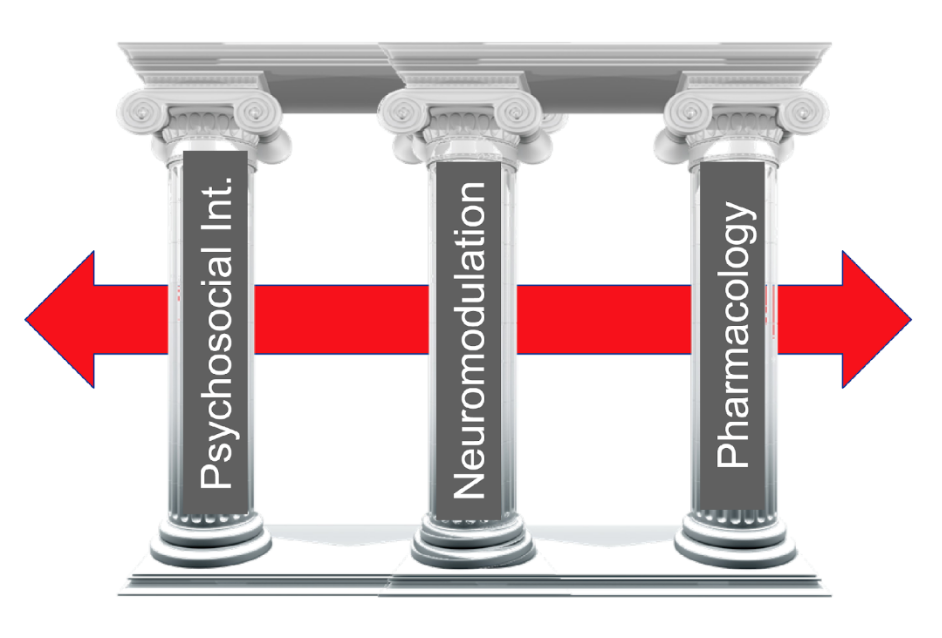
TMS Neuromodulation: Transcranial magnetic stimulation is considered the third pillar of psychiatric care after psychiatric medications and psychotherapy. It is a non-invasive treatment where MRI-strength magnetic pulses are delivered to stimulate brain regions considered underactive in depression.

As per STAR-D trial, one third of patients with depression do not respond to multiple trials of psychiatric medications and are apparently considered treatment resistant. TMS was FDA approved for depression in 2008 and OCD in 2018, and it has been a powerfully effective and safe treatment for major depressive and various other psychiatric disorders.

Key Benefits of TMS Therapy

TMS is a non-invasive treatment that uses magnetic coils to deliver focused magnetic fields to specific brain regions, producing changes in the activity of brain cells. The frequency of pulse delivery influences whether brain activity is increased or decreased in the affected cells. The neuroplastic effects of TMS result in long-lasting therapeutic benefits because they enhance the brain’s network connectivity and communication patterns.
Unlike medications, TMS works at the source of depression — improving brain function naturally without systemic side effects.

Treatment Highlights:

  • Well tolerated and no anesthesia or sedation required
  • FDA-cleared and evidence-based treatment
  • No downtime and return to work after treatment.

Typical sessions last 3.5 minutes to 19 minutes, and most patients undergo treatment 5 days a week for 4–6 weeks.

Drug-Free Solution

When medications no longer help; ideal for those, very sensitive to medications use

Non-Invasive Procedure

Unlike ECT; rather enhances executive functioning

Minimal Side Effects

Minimal local discomfort, at times mild headaches in the first week. One can resume daily activities after treatment.

Targeted Treatment

Stimulates precise brain regions linked to mood changes

Insurance Plans

TMS treatment is covered by most insurance plans.

Quality Of Life

Improved executive functioning and a better quality of life after TMS treatment.

Who Can Benefit From TMS Therapy?

TMS is recommended for adults who:

  • Have been diagnosed with major depression, OCD or anxiety disorders.
  • Have tried two or more antidepressants without relief
  • Prefer a non-drug approach to mental wellness
  • Cannot tolerate side effects of traditional medications

TMS is not suitable for individuals with:

  • Deep brain stimulators or vagus nerve stimulators
  • Cochlear implants or metallic implants near the head

Types of TMS Neuromodulation

The traditional form of TMS therapy where multiple magnetic pulses are delivered during each session. This repetitive stimulation trains the brain to restore normal mood function and relieve depressive symptoms.
Also known as “Express TMS,” this advanced protocol delivers the same therapeutic benefit in just 3 minutes instead of 20–40 minutes. It uses triplet bursts of magnetic pulses to mimic natural brain rhythms and has been FDA-cleared as an effective, faster alternative to standard TMS.

(not covered by insurance plans)

Developed at Stanford University, the SAINT (Stanford Accelerated Intelligent Neuromodulation Therapy) protocol is a high-dose, accelerated version of TMS.
Patients receive multiple sessions per day for five consecutive days — achieving rapid remission in up to 86–90% of participants in initial studies.
This protocol has shown promise in reducing suicidal ideation and producing rapid, long-lasting improvement in treatment-resistant depression.
20 sessions of 3 minutes of TMS treatments are delivered in one day with the use of a neuroplasticity drug prior to treatment. (Not covered by insurance plans)
TMS treatments are mostly delivered using brain mapping with the EEG-based F3 beam method, but they can also be given precisely with MRI-guided navigation.

Schedule a Consultation

If depression has been resistant to medication or therapy, TMS may be the breakthrough you’ve been waiting for. Call (516) 684-9535 or fill out our contact form to learn if you are a candidate for TMS Therapy.